
Victory Over Iran Is Still Possible Iran
Aug 4, 2026
The current deal falls well short, but the next 60 days provide an opportunity to achieve America’s goals.
By Mike Pence
June 21, 2026 12:19 pm ET
President Trump acted decisively when Iran threatened our interests, attacked our allies and continued to pursue nuclear weapons. In Operation Midnight Hammer last year and Operation Epic Fury this year, U.S. military forces demonstrated overwhelming strength. Iran is weaker than it has been in decades.
The president deserves tremendous credit for taking the fight directly to Tehran, and every American should welcome the prospect of peace. No one wants another prolonged war in the Middle East, despite the flippant accusations from isolationists on the populist right.
But the memorandum of understanding with Iran signed last week falls well short of what is required to end the Iranian threat. It smacks of the kind of appeasement the president rightly rejected during our first term. It isn’t the deal a defeated Iran should be getting. It isn’t even a deal—it’s a plan to make a plan.
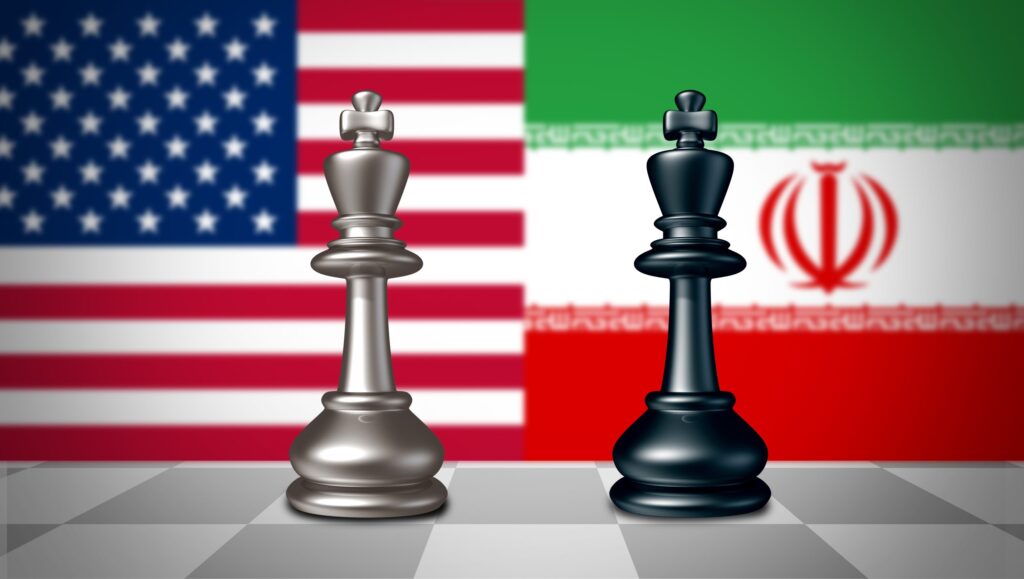
The Iranian regime is on its heels. Its military capabilities have been seriously degraded. Its terrorist proxies have been weakened. Its economy remains under severe pressure. For the first time in many years, the momentum is with the U.S. and our ally Israel. Recall that our brave men and women in uniform, in coordination with our Israeli allies, established air superiority over Iran. Yet the memorandum of understanding fails to capitalize on that opportunity.
Most troubling, it neither requires that Iran verifiably dismantle its nuclear weapons program nor prohibits continued enrichment of uranium. Instead, the agreement largely repeats promises Iran has made before. For years, Tehran has claimed that its nuclear program is peaceful while pledging “Death to America” and “Death to Israel.” Even now, a few days after the memorandum was signed, reports indicate Iran is closing the Strait of Hormuz over continued hostilities between Israel and Hezbollah.
The central lesson of the past 47 years is that the Iranian regime doesn’t keep its word. Anything less than complete, verifiable dismantlement of its nuclear program leaves the regime able to restart the program when circumstances become more favorable.
Equally concerning, the memorandum leaves Iran’s ballistic-missile program largely untouched. It also fails to require an end to Iranian support for terrorist organizations that threaten Israel, destabilize governments throughout the Middle East, and target American citizens both here and abroad.
And while the agreement’s timeline postpones answers on critical nuclear questions, it provides immediate economic benefits through partial sanctions relief and renewed energy exports, which will generate an estimated $5 billion a month for what remains of the Iranian regime.
That gets the sequence backward. The U.S. shouldn’t provide economic relief first and seek security concessions later. We should secure the concessions first.
There is an old saying, “Trust but verify.” With Tehran, the saying should be “Verify and never trust.” The Iranian regime has spent almost half a century at war with America and Israel. Tehran is responsible for the deaths of several hundred U.S. service members and the wounding of many more. Iran’s mullahs have armed Hezbollah, Hamas, the Houthis and countless other terrorist organizations. They have attacked shipping lanes, sponsored regional violence, and left a trail of blood from Lebanon to Syria to Iraq and beyond.
U.S. policy should be simple and direct: Dismantle the nuclear program, dismantle the ballistic-missile program, end support for terrorism, cease hostilities against America and Israel, and restore freedom of navigation in the Strait of Hormuz—or face the full force of the American military. These demands are the minimum requirements for a durable peace.
Mr. Trump’s decisive action created the conditions that made these demands achievable. Maximum pressure worked. America’s military strength worked. The blockade worked. Iran came to the table because the regime’s existence teetered on a knife’s edge.
That reality hasn’t changed simply because a memorandum has been signed. Iran remains extraordinarily vulnerable, both militarily and economically. The regime is desperate for a lifeline. We shouldn’t throw them one so haphazardly.
I will continue to support Mr. Trump’s determination to secure peace. But peace through strength requires strength all the way to the finish line.
This 60-day period should be used to secure what this agreement doesn’t yet provide: an end to Iran’s nuclear ambitions, an end to Iranian-backed terror, and an end to its half-century of warfare against the U.S. and Israel. If those
reasonable goals cannot be achieved, Mr. Trump should let the armed forces finish the job.
Now isn’t the time to trade leverage for promises. Whether at the negotiating table or by again unleashing the most powerful military in the world, now is the time to secure victory.
Mr. Pence served as vice president of the United States (2017-21). He is founder of Advancing American Freedom and author of “What Conservatives Believe: Rediscovering the Conservative Conscience


Stay ahead of the headlines
Get an email whenever a new article or video is published — independent analysis on Washington, Jerusalem and Tehran, straight to your inbox. No noise, no spam.
Unsubscribe anytime. Prefer video? Subscribe on YouTube to catch every episode.